Personal Training Update: Preparing for the Valencia 70.3 IM
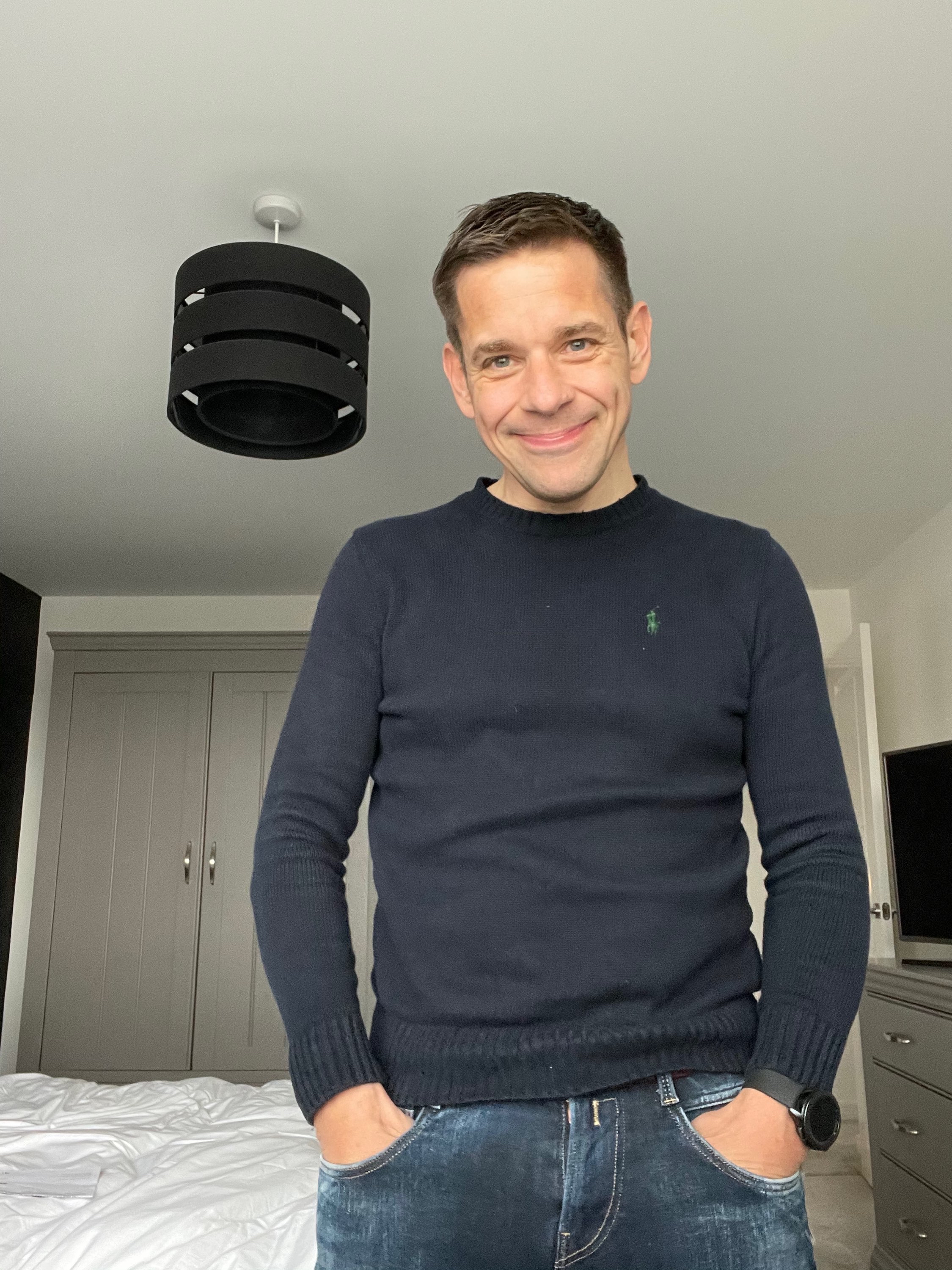
As I embark on the first week of the final 20-week training block leading up to the Valencia 70.3 Ironman on April 19, 2026, I am filled with anticipation and excitement. This journey has been a testament to the dedication, resilience, and strategic planning required to tackle such a demanding event. Today, I want to share an update on my training progress, with a particular focus on the swim and bike components, as I manage a calf injury that has temporarily shifted my focus away from running.

Current Focus: Swimming and Cycling
The initial stages of this training block are pivotal, setting the foundation for the intense work that lies ahead. Given my current calf injury, my primary focus remains on swimming and cycling. These disciplines allow me to maintain and build my cardiovascular fitness while minimising the impact on my calves, facilitating a gradual recovery.
Swimming
Swimming is an integral part of triathlon training, offering a full-body workout that enhances endurance, strength, and flexibility. Over the past week, my swim sessions have been structured to improve technique and build aerobic capacity. By concentrating on drills that enhance efficiency in the water, I am working to optimise my stroke mechanics, which will be crucial for conserving energy during the race.
Cycling
Cycling is another cornerstone of my training regimen, and it is where I am currently channelling much of my energy. Today’s session was a 1-hour turbo session on Zwift, focusing on tempo. This session is particularly significant as it plays a critical role in building the endurance and power necessary for the bike leg of the Ironman.
The Importance of Tempo Sessions
Tempo sessions are a key component in any endurance athlete's training program. They involve maintaining a steady, moderate intensity over a prolonged period, typically at a pace that is sustainable yet challenging. Here are some reasons why tempo sessions are crucial:
1. Enhanced Lactate Threshold: Tempo sessions are designed to push the lactate threshold, which is the point at which lactate begins to accumulate in the bloodstream faster than it can be cleared. By training at or just below this threshold, athletes can improve their ability to sustain higher intensities for longer periods, a vital skill for long-distance events like the 70.3 Ironman.
2. Improved Aerobic Capacity: These sessions help in building aerobic capacity by increasing the efficiency of the cardiovascular system. This means the heart, lungs, and muscles can work more efficiently, delivering oxygen to the muscles and removing waste products.
3. Mental Toughness: Maintaining a steady tempo requires focus and mental discipline. These sessions are mentally challenging, helping to build the psychological resilience needed to push through fatigue during the race.
4. Muscle Endurance: Tempo workouts are excellent for building muscular endurance. By consistently working at a moderate intensity, the muscles adapt to sustain effort over longer durations, which is essential for the cycling and running segments of a triathlon.
5. Pacing Strategy: Practising tempo sessions helps in developing a keen sense of pacing. Understanding how to gauge effort and maintain a consistent pace is crucial for managing energy reserves throughout the race.
Managing Injury and Recovery
While the calf injury has necessitated a shift in focus, it has also provided an opportunity to concentrate on other aspects of my training. Injury management is an inevitable part of any athlete’s journey, and it requires a strategic approach to ensure recovery while maintaining overall fitness.
Cross-Training
Cross-training has been an invaluable tool during this period. By incorporating activities that do not strain the calf, such as swimming and cycling, I can continue to build cardiovascular fitness. Additionally, strength training exercises that focus on core stability and upper body strength contribute to overall athletic performance.
Rehabilitation Exercises
Alongside cross-training, I am diligently following a rehabilitation program designed to facilitate recovery and prevent future injuries. This includes flexibility exercises, targeted strength work, and proprioceptive training to enhance balance and coordination.
Rest and Recovery
Equally important is the emphasis on rest and recovery. Adequate rest is crucial for healing, and I am ensuring my body gets the downtime it needs to repair and rejuvenate. This includes prioritising sleep, proper nutrition, and mindfulness practices to manage stress and promote mental well-being.
Looking Ahead
As I progress through this training block, my focus will gradually shift to incorporate more running as my calf heals. The coming weeks will involve a careful balance of intensity and recovery, ensuring that I am prepared to tackle each segment of the Valencia 70.3 Ironman with confidence and strength.
Upcoming Training Milestones
1. Swim Technique Refinement: Continued focus on drills and technique work to enhance efficiency and speed in the water.
2. Cycling Power Intervals: Incorporating power intervals to build explosive strength and power on the bike.
3. Gradual Return to Running: As my calf improves, slowly reintroduce running with a focus on form and gradual mileage increase.
4. Nutrition Optimisation: Fine-tuning my nutrition strategy to support training demands and optimise performance on race day.
5. Mental Preparation: Engaging in visualisation techniques and mental conditioning to prepare psychologically for the challenges of race day.
Conclusion
The journey to the Valencia 70.3 Ironman is one of perseverance, dedication, and strategic planning. While challenges such as injuries are part of the process, they also offer opportunities for growth and learning. By maintaining a positive mindset and adhering to a structured training plan, I am confident I can overcome these obstacles and achieve my goals.
I am grateful for the support of my coaches, fellow athletes, and the triathlon community, who continue to inspire and motivate me. As I move forward, I look forward to sharing more updates and insights from my training journey.
Thank you for following along, and I hope to see many of you at the starting line in Valencia!


Comments