How Can Pacing Strategies Impact Your Performance in a Triathlon Race?
- Richard Keenlyside
- Jul 29, 2024
- 2 min read

Are you gearing up for your next triathlon race and searching for ways to enhance your performance? One critical aspect that often gets overlooked but can make a world of difference is pacing strategies. Understanding how to pace yourself effectively throughout the swim, bike, and run segments can significantly impact your performance. Let's delve into the world of pacing strategies in triathlon racing and uncover how they can take your performance to the next level.
The Importance of Pacing
Pacing isn't just about maintaining a consistent speed; it's about strategically managing your energy output to ensure you have enough fuel in the tank to finish strong. A common mistake many triathletes make is starting too fast, leading to burnout later in the race. By adopting the right pacing strategies, you can optimize your performance and achieve your best possible finish time.
Swim Leg Pacing
The swim leg sets the tone for the rest of the race. It's essential to find a balance between pushing your pace and conserving energy. Start strong but avoid going out too hard, as this can spike your heart rate and leave you fatigued for the bike and run. Focus on finding a sustainable rhythm that allows you to maintain a steady pace throughout the swim.
Bike Leg Pacing
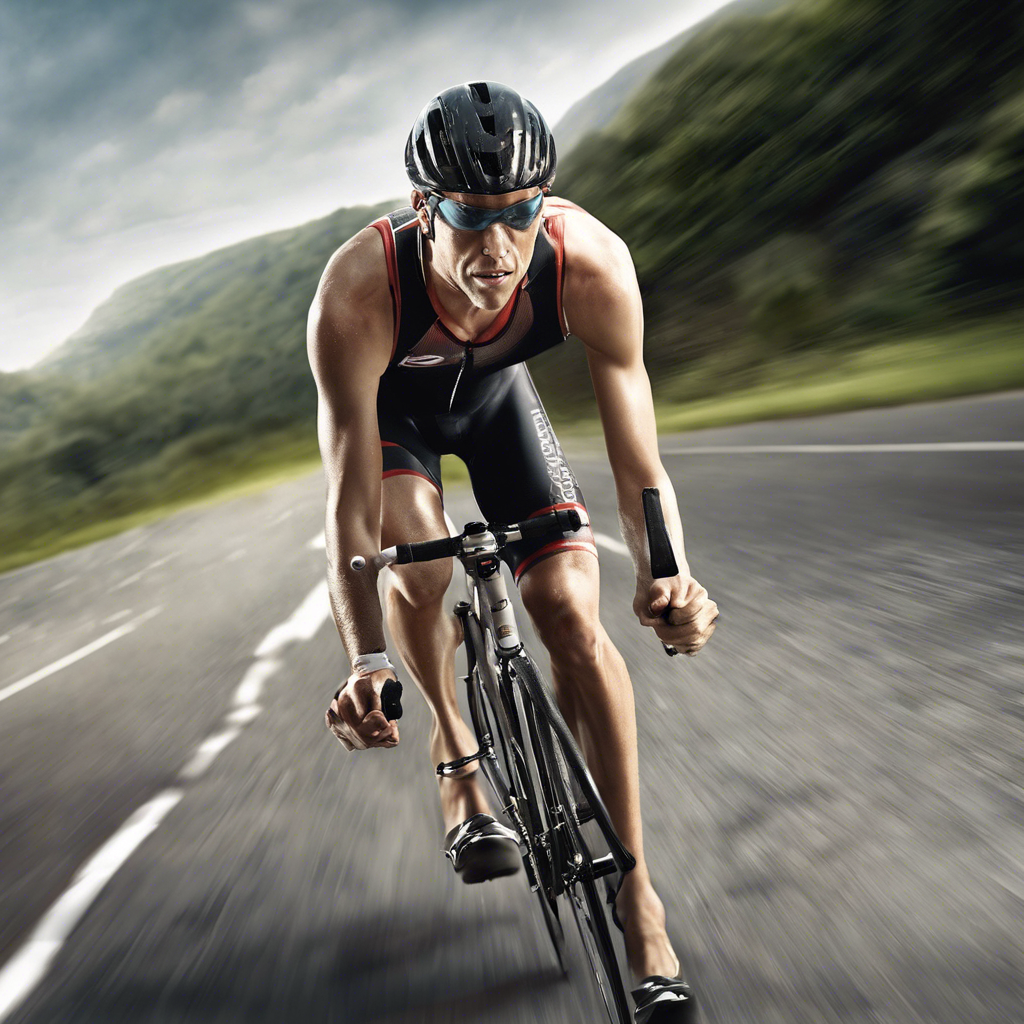
Once out of the water, transitioning to the bike leg requires a shift in pacing strategy. Avoid the temptation to pedal at maximum effort right from the start. Instead, aim to distribute your energy evenly over the course of the bike leg. This approach will help prevent early fatigue and set you up for a strong finish during the run.
Run Leg Pacing
As you head out for the final leg of the race, it's crucial to have enough energy reserves left to tackle the run. Many triathletes underestimate the toll that the swim and bike segments can take on their legs. By pacing yourself appropriately during the run leg — starting conservatively and gradually increasing your pace — you can finish the race feeling strong and accomplished.
Practice Makes Perfect
Developing effective pacing strategies takes practice. Incorporate interval training sessions into your preparation to familiarize yourself with different paces and intensities. By simulating race conditions during your training, you can fine-tune your pacing approach and understand how your body responds to different speeds and efforts.
Conclusion
Pacing strategies play a pivotal role in determining your success in a triathlon race. By mastering the art of pacing — from the swim leg to the bike leg and finally the run leg — you can optimize your energy expenditure and performance, ultimately crossing the finish line with a sense of accomplishment. Remember, it's not just about how fast you start; it's about how effectively you manage your energy throughout the race.
Next time you toe the line at a triathlon race, implement these pacing strategies and watch how they impact your overall performance. Whether you're a seasoned triathlete or a beginner, understanding the importance of pacing can make all the difference in your race-day experience. Happy racing!
Start refining your pacing strategies today and see the difference it makes in your triathlon performance!



Comments